
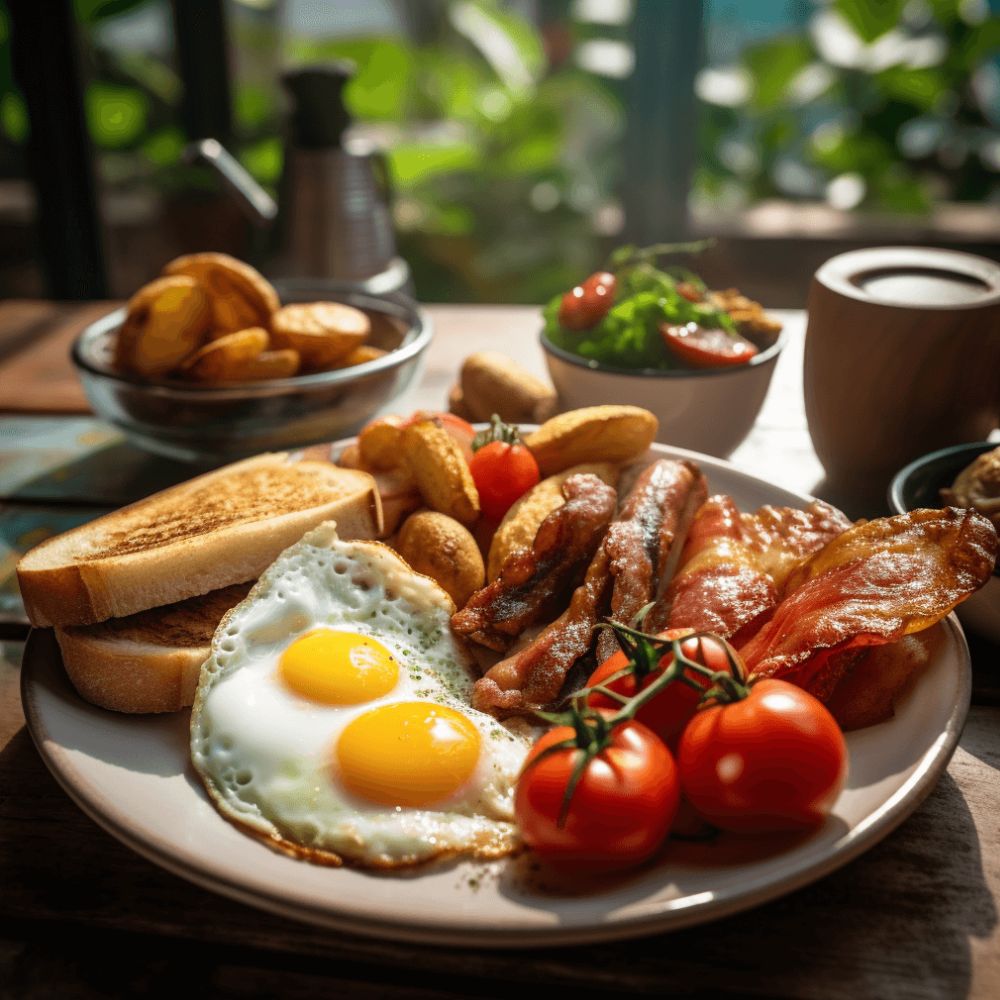
Curaçao eats well. There is Caribbean cooking, a strong Dutch influence, plenty of seafood, and — because of the island’s history — Portuguese, Venezuelan, Indonesian and Chinese kitchens sitting side by side. For a small island, the range is unusual.
What this article does not do is hand you a top ten with names. Restaurants here open, change hands and close faster than an article can keep up with, and a list that is two years old does more harm than good. What follows is how to choose instead: which area suits which evening, what to order at least once, and the practical things that catch visitors out.
Why there is no top ten with names here
We could list ten restaurants. But Diana and Martin have watched too many favourites disappear or lose their chef to want to send guests somewhere on the strength of an old recommendation. What they do instead is give the current tips at the breakfast table, based on where people have eaten well that month. That is worth more than a list.
Which area for which evening
Jan Thiel is where you eat with your feet more or less in the sand. The beach clubs along the bay do lunch and dinner, they are relaxed, and from Hibiscus Beach House you walk there in five minutes. Good for a long evening without arranging transport.
Pietermaai, just outside the centre of Willemstad, is the district for a night out: restored townhouses, small kitchens, bars and live music on the weekend. This is where you go when you want atmosphere rather than a sea view.
Punda and Otrobanda, on either side of the harbour, are more mixed — from the floating market to smart restaurants along the water. Combine dinner with a walk across the Queen Emma Bridge.
Out west the places are simpler and often better value: fish straight off the boat, a terrace and not much else. Worth building into a beach day rather than driving out for dinner alone.

What to try at least once
- Keshi yena — the national dish: cheese stuffed with chicken, raisins and olives.
- Karni stoba — slow-cooked beef stew, usually with funchi.
- Funchi — cornmeal, somewhere between polenta and a side of chips.
- Pastechi — a fried pastry with cheese, meat or fish; breakfast and snack food.
- Fresh fish — wahoo, mahi-mahi and red snapper turn up on almost every menu.
- Blue Curaçao — made here from the peel of the local laraha orange.
Practical, before you go
- Book ahead in high season. Roughly December to April the better places fill up, especially at the weekend.
- Check the bill before tipping. A service charge is often already added. If not, around ten per cent is normal.
- Euros are usually not accepted. US dollars are taken almost everywhere, and card payment is widely available.
- Eating out costs roughly what it does in Western Europe. A lot of produce is imported, and that shows on the menu.
- Dress is relaxed — but beachwear at dinner is not the done thing outside the beach clubs.
- Plan the drive. There is no Uber on Curaçao, so it is a taxi at a fixed rate or your own rental car.
We are happy to book for you
Guests often ask us to arrange a table, and we do it gladly — we know which places are running well at the moment and which ones need booking a week ahead. Tell us the date, the number of people and roughly what you are after, and we will sort it out over WhatsApp.
- Five minutes on foot to the beach clubs at Jan Thiel
- Breakfast included with the rooms, served between 8:00 and 10:00
- We book restaurants, boat trips and island tours for you
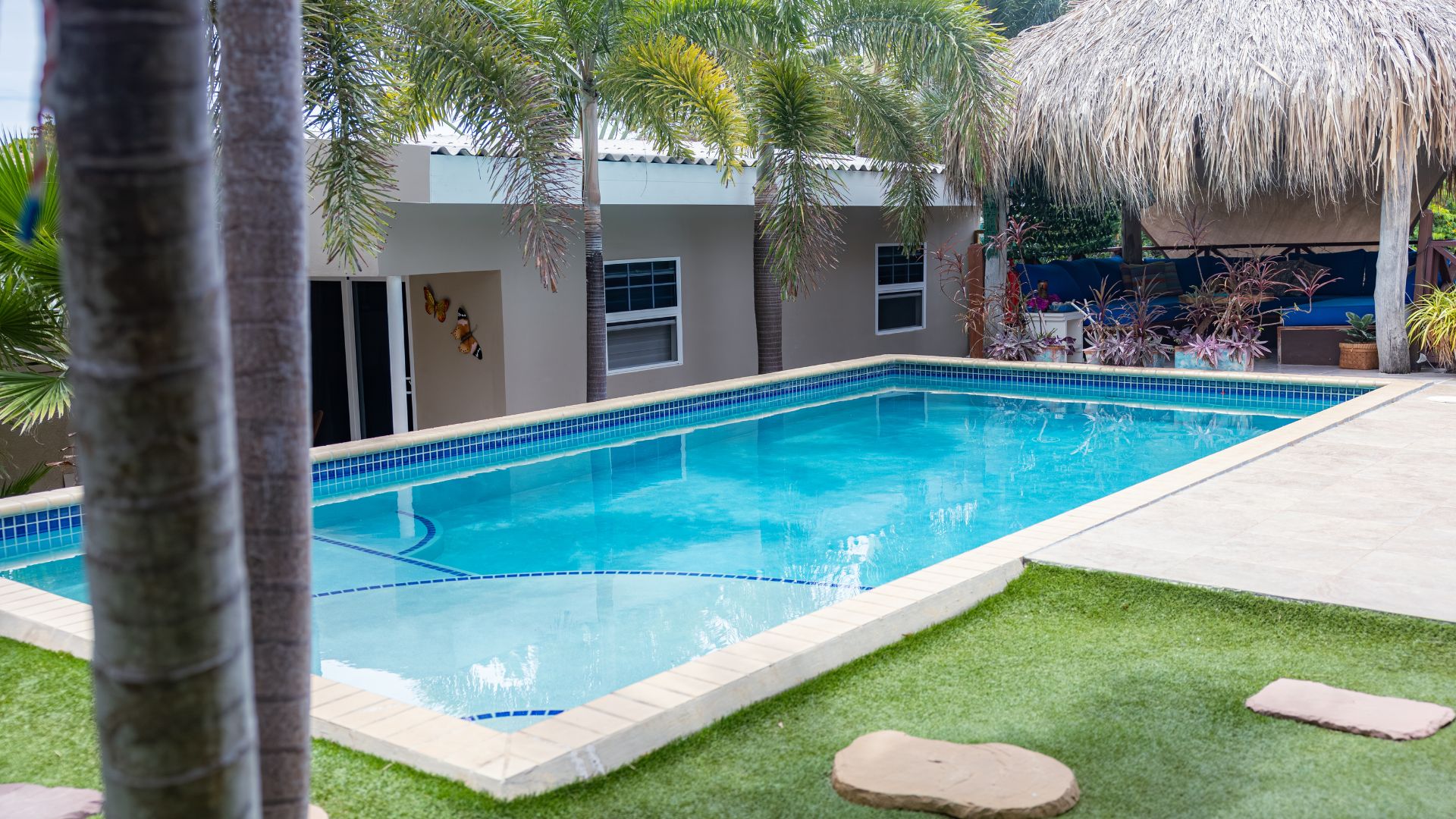
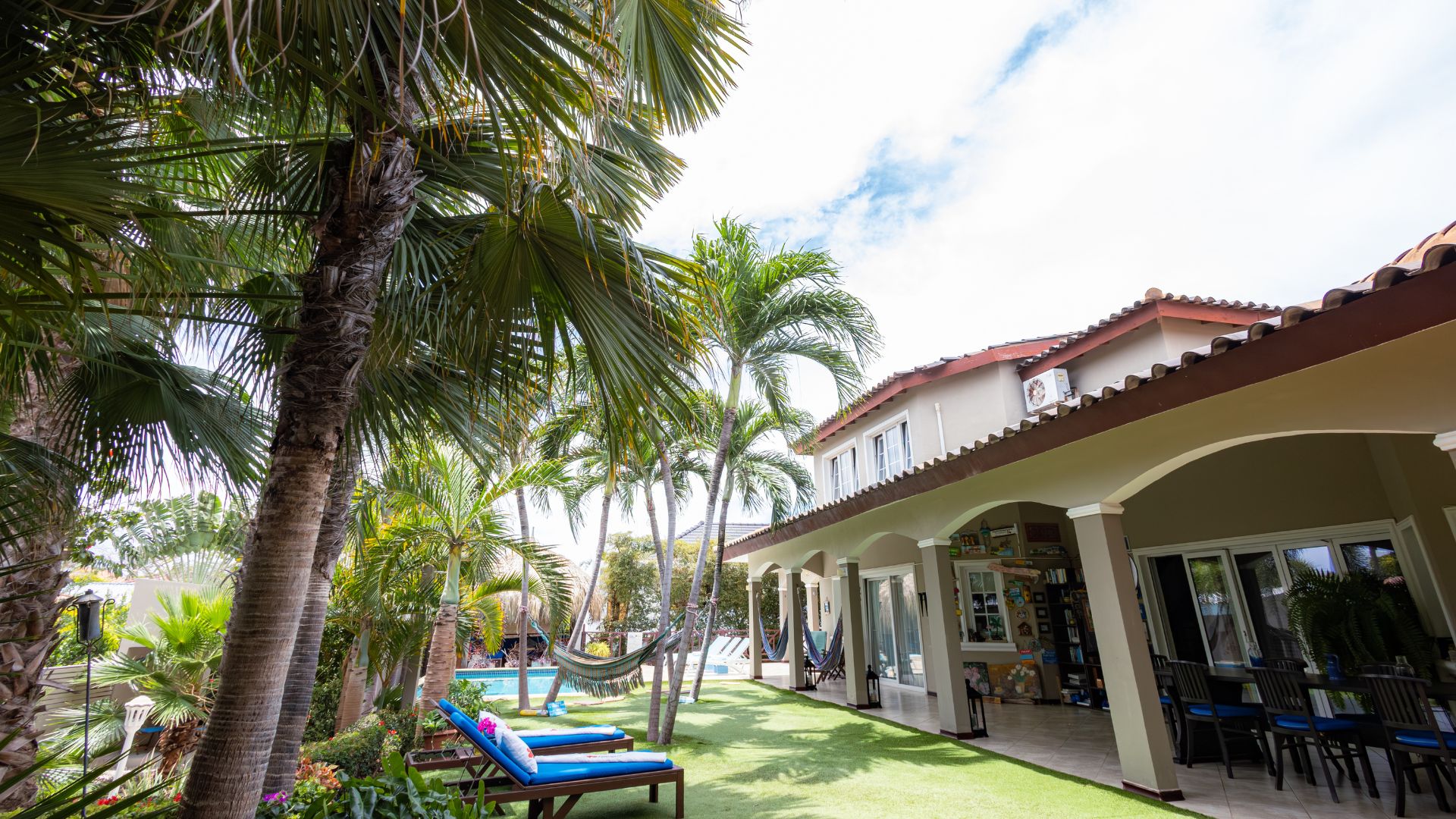
- Adults only, small scale, with a pool and a tropical garden
More about what we arrange is on the guest services page, or see the reservations page.
Frequently asked questions about eating out on Curaçao
In short
Pick the area to match the evening — Jan Thiel for relaxed and close by, Pietermaai for going out, the west for simple and fresh — order keshi yena once, and book ahead in high season. And ask us at breakfast: we will tell you where people have been eating well this month.